Two campaigns, one sea: the militarized Caribbean of late 2026
A lethal strike campaign against alleged drug vessels and a parallel seizure of sanctioned Venezuelan oil tankers have turned the Caribbean into a theater of United States military power, and the region is still deciding what to say about it.
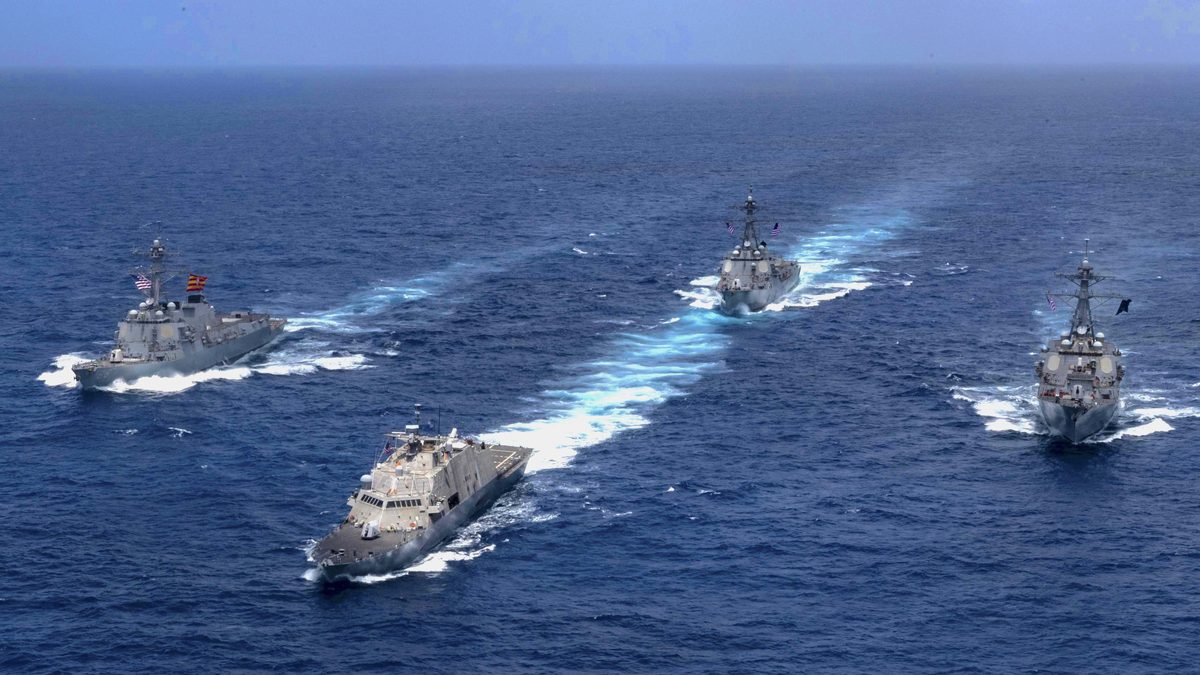
PORT OF SPAIN. The Caribbean Sea has become, over the past 14 months, one of the most militarized stretches of water in the hemisphere, and the operations underway there run along two distinct tracks that are easy to confuse. Understanding the difference matters for any honest reckoning with what the region now hosts.
The first track is lethal. Since September 2025, United States forces operating under a mission styled Joint Task Force Southern Spear have carried out repeated strikes on vessels the government describes as crewed by narco-terrorists. The Associated Press and other outlets have documented a steady series of these strikes across the Caribbean and, increasingly, the Eastern Pacific.
The scale is no longer small. The articles of impeachment introduced against Defense Secretary Pete Hegseth on November 9, 2026, allege at least 69 strikes killing at least 243 people since the campaign began, figures that come from an adversarial document but that track with the public tally outlets have been keeping strike by strike.
The legal architecture
The framework the administration leans on is the designation of Venezuelan and regional trafficking networks as foreign terrorist organizations. Reporting around the campaign has centered on the designation of the Cartel de los Soles, a network United States officials link to the government of Nicolas Maduro, with Secretary of State Marco Rubio describing it as having corrupted the institutions of government in Venezuela. Analysts cited in coverage of the strikes, including former intelligence officials, have argued that a terrorist designation is what the administration treats as its license to carry out lethal strikes against such groups wherever they are found.
Critics counter that a designation does not suspend the laws of armed conflict or a suspect's right not to be summarily killed, which is the legal fault line now running through Washington.
The second track is economic and, so far, non-lethal. In parallel with the strikes, United States forces have been intercepting and boarding sanctioned oil tankers tied to Venezuelan crude. Over the course of 2026, outlets reported the interception of a fifth sanctioned tanker as Washington moved, in the words of one account, to exert control over Venezuela's oil distribution, and in one striking episode the military boarded a sanctioned tanker in the Indian Ocean after tracking it from the Caribbean.
These interdictions are a pressure campaign on Caracas's main source of revenue, distinct from the strikes on small craft but part of the same strategic squeeze.
What it means on the water
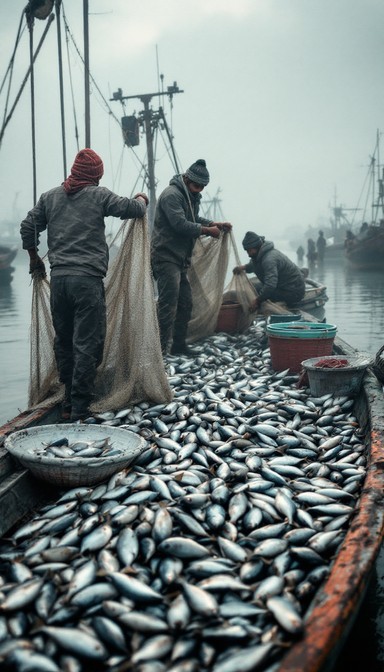
For Caribbean states, the twin campaigns land on a single body of water that their economies and their citizens depend on. The region's fishermen work the same channels where the strikes occur. The first strike of the campaign, in September 2025, killed 11 men in the waters between Venezuela and Trinidad and Tobago, men believed to have come from a Venezuelan fishing village.
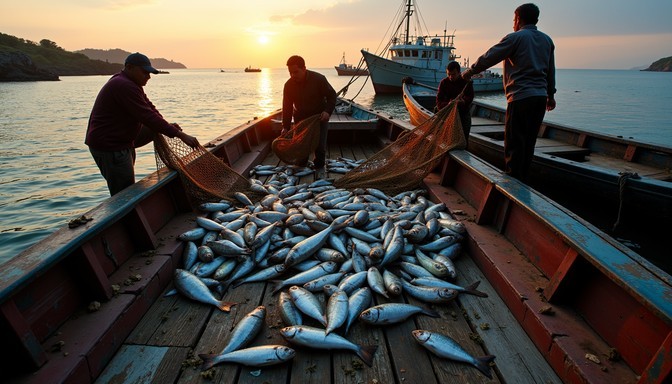
Every subsequent strike raises the same question for coastal communities from Trinidad to Grenada to the islands off the Venezuelan coast: how a fishing boat is distinguished from a trafficking vessel before a missile is fired, and what recourse exists when the judgment is wrong.
The regional response has been uneven, which is itself part of the story. Trinidad and Tobago's government has been among the most supportive, with Prime Minister Kamla Persad-Bissessar welcoming the strikes and a legal opinion for her government reportedly deeming them lawful self-defense. Other governments and regional voices have been far more uneasy, concerned about sovereignty, about the precedent of a superpower conducting lethal operations in Caribbean waters, and about being drawn into a confrontation with a neighbor.
The Caribbean Community has struggled to speak with one voice, and the silence of some members is as telling as the endorsements of others.
The stakes for the region
There is a hard strategic reality beneath the debate. The Caribbean is a transit zone for narcotics moving north, and no serious regional leader denies that trafficking is a genuine threat to small states whose institutions it corrodes. The question is not whether the trade is dangerous but whether a campaign of lethal strikes, conducted by an outside power and now contested as unlawful within that power's own legislature, is the answer the region wants carried out in its name and its waters.
What late 2026 has made clear is that the Caribbean is no longer a bystander to a distant policy. It is the theater. The strikes happen here, the tankers are seized on routes that pass here, and the fishing communities most exposed to error live here.
As Washington argues over the legality of it all, the governments of this region face their own decision, quieter but no less consequential: whether to endorse, to object, or to stay silent while their sea becomes the proving ground for a doctrine written elsewhere. The coming weeks, with a designation of the Cartel de los Soles due to take effect and an impeachment vote looming, will test which of those answers the Caribbean chooses.