Privy Council strikes down Trinidad’s colonial-era gay sex ban
London’s highest court sides unanimously with activist Jason Jones, ruling that the 1986 law criminalizing consensual same-sex intimacy cannot stand, and closing a legal fight that ran for most of a decade.
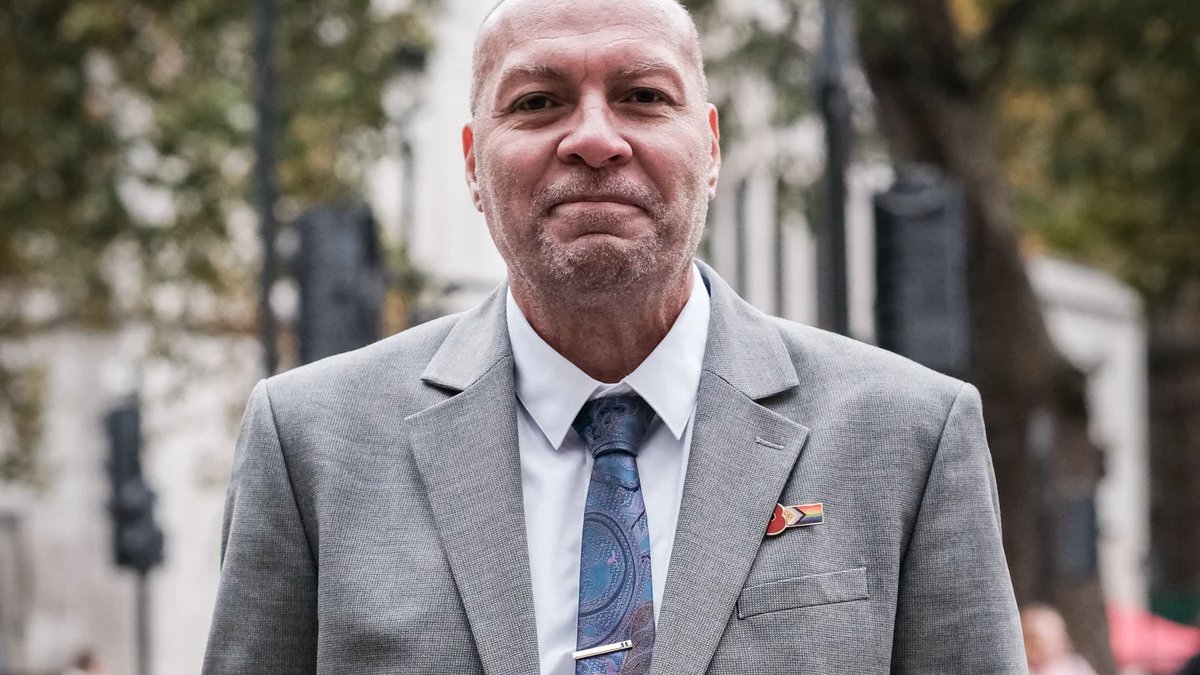
LONDON. Trinidad and Tobago's laws against consensual same-sex intimacy, a legacy of the colonial statute book, have been struck down by the Judicial Committee of the Privy Council in London, the country's final court of appeal. In a unanimous ruling delivered on Tuesday, November 10, 2026, the Board found in favor of Jason Jones, the 62-year-old Trinidad-born activist who has carried the challenge through the courts for most of a decade.
Jones, who now lives in Britain, had sought a declaration that sections 13 and 16 of the Sexual Offences Act of 1986 are unconstitutional. Section 13 criminalized buggery. Section 16 covered other sexual acts, with an exception carved out for private acts between a man and a woman over the age of 16.
His case, argued by former Trinidad and Tobago Attorney General Anand Ramlogan, King's Counsel, turned on whether a democracy may keep on its books, and defend, laws that make private intimacy between consenting adults a crime.
What the court decided
The Privy Council allowed Jones's appeal and dismissed the Attorney General's cross-appeal. At the center of the ruling was Trinidad and Tobago's savings clause, the constitutional provision, section 6, that protects laws predating the Constitution from challenge. The government had argued that the 1986 provisions were shielded because they re-enacted older colonial prohibitions.
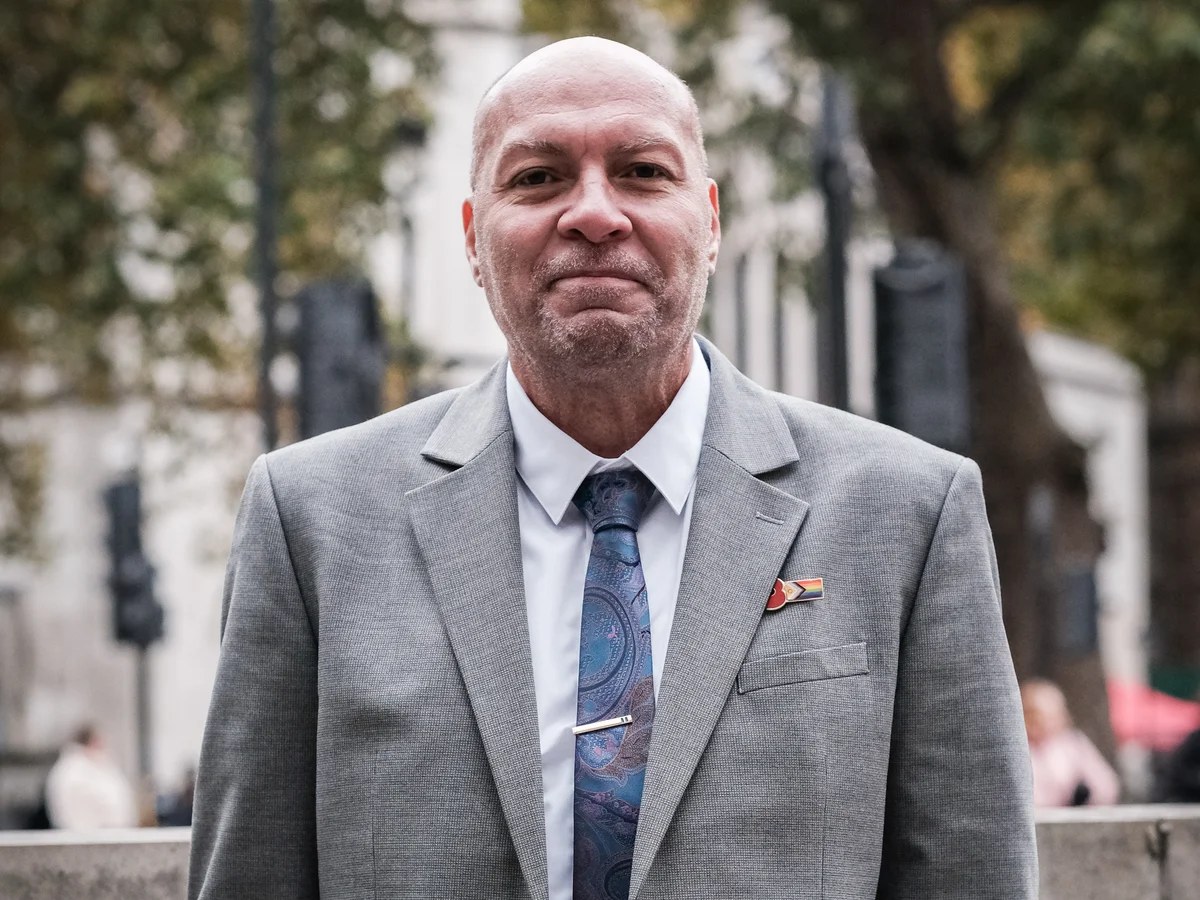
The Board rejected that reasoning. It held that the 1986 Act was a comprehensive new legal regime rather than a simple re-enactment of existing law, that the savings protections must be read narrowly, and that sections 13 and 16 were therefore open to constitutional challenge.
On the substance, the court found the provisions could not be justified. The relevant moment for judging whether a law is reasonably justifiable, it held, is when a person's rights are challenged, not when the law was passed in 1986. The Attorney General, the Board noted, had offered no evidence that the prohibitions reflected a genuine, long-standing societal tradition capable of justifying so severe an intrusion into private life.
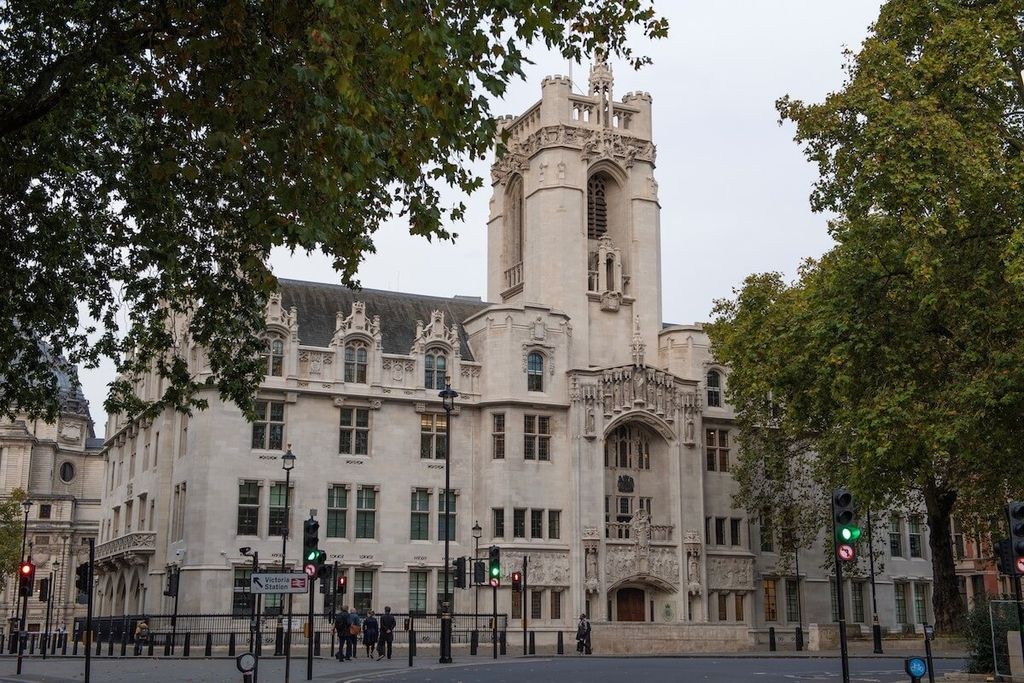
The interference with Jones's rights, it concluded, was too great to stand.
The ruling restores the position reached by Trinidad and Tobago's own High Court, which had earlier held the sections unconstitutional, a decision later narrowed by the Court of Appeal. That appellate court had, by majority, accepted that the provisions were partly protected to the extent they mirrored pre-Constitution law, while unanimously agreeing that they went beyond the older law and were not reasonably justifiable to that extent. The Privy Council's judgment removes the ambiguity the appeal had introduced.
A victory, and its limits
Jones welcomed the outcome but was careful about its reach. He called it a vindication while noting that it does not resolve the wider human rights and equality questions facing LGBTQ people across the Commonwealth, many of whose nations retain similar colonial-era statutes. Ramlogan described the judgment as a landmark victory for dignity and for the right to a private and family life in Trinidad and Tobago.
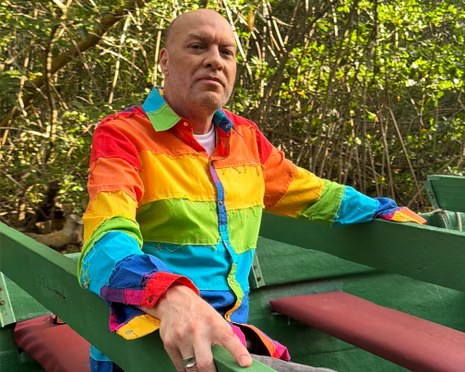
The decision is not yet fully final in its mechanics. The Privy Council will receive further written submissions from both sides before issuing its final order on exactly how sections 13 and 16 must be modified to be compatible with Jones's constitutional rights, though its provisional view is that the High Court's original order should be upheld. In practice, the direction is set: the state can no longer criminalize consensual same-sex intimacy between adults.
The ruling also lands in a region still weighing where its final legal authority should sit. That the ultimate word on a Trinidadian constitutional question came from a court in London, rather than from the Caribbean Court of Justice based in Port of Spain, revives a long-running argument about judicial sovereignty. Several Caribbean states retain the Privy Council as their apex court decades after independence, and each landmark ruling from London, however welcomed by those it vindicates, sharpens the question of whether the region should finish entrusting such decisions to a court of its own.
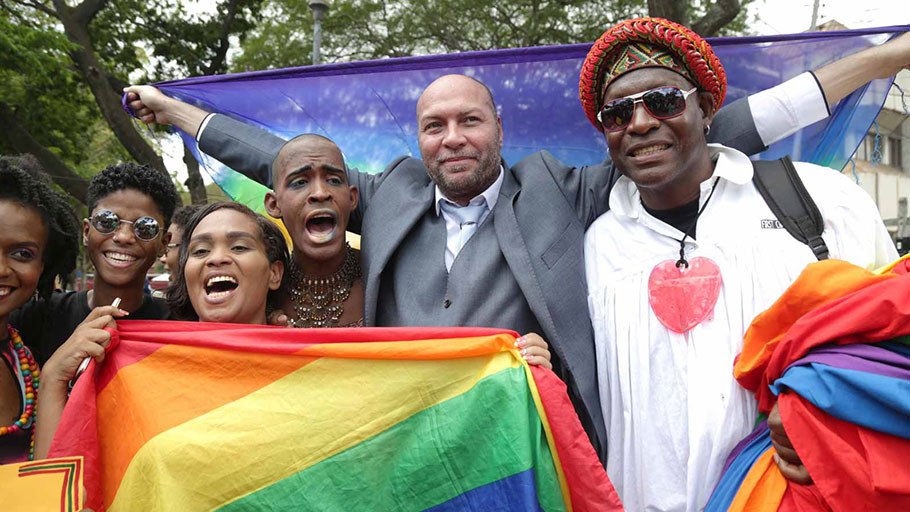
Why it resonates beyond Trinidad
The judgment carries weight across the English-speaking Caribbean, where a shared legal inheritance means several nations still have comparable laws and look to the Privy Council as their apex court. A ruling from that body on a Trinidadian savings clause speaks directly to the legal architecture of its neighbors. It continues a line of regional litigation that has, over recent years, seen colonial-era prohibitions on same-sex intimacy challenged and in cases set aside across the Caribbean, and it hands advocates in other jurisdictions a powerful precedent on how narrowly those savings clauses should be read.
It also reopens an old debate about the Privy Council itself. That a London court remains the final arbiter of such a sensitive question of Trinidadian rights will reassure some and trouble others, feeding a long-running regional conversation about whether Caribbean nations should complete the move to the Caribbean Court of Justice as their final appellate court. For now, the practical result is plain.
A law that made criminals of people for whom they love has been set aside, the activist who fought it for a decade has prevailed, and the ruling will be read closely in capitals well beyond Port of Spain.
Read more at The Caribbean Ledger ›