Carnival walks the Port Zante site as St. Kitts bets on homeporting
A visit by Carnival Corporation executives to the proposed new cruise terminal advances a plan to make St. Kitts a port where voyages begin and end, a shift the government argues is worth far more than another day call.
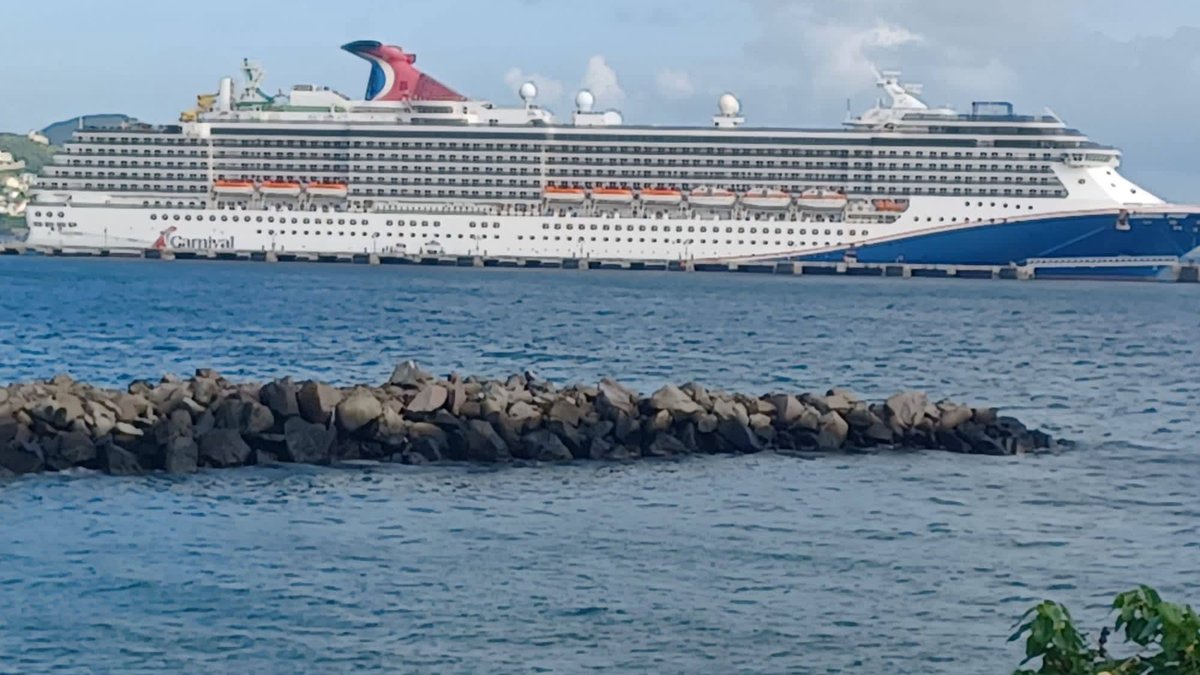
BASSETERRE. St. Kitts moved a step closer to a significant change in its cruise business this week, as executives from Carnival Corporation visited the island to assess the proposed new cruise terminal at Port Zante and to walk the ground where the federation hopes to reinvent its place in the industry.
According to the St. Kitts and Nevis Observer, reporting on November 10, 2026, the Carnival team visited on Monday, November 9, meeting Prime Minister Dr. Terrance Drew and the Federal Cabinet before touring the proposed terminal site. The delegation was led by Marie McKenzie, Carnival Corporation's Senior Vice President for Government and Destination Affairs. Tourism Minister Marsha Henderson accompanied the executives on the site tour, joined by representatives of the Ministry of Tourism and of the St. Christopher Air and Sea Ports Authority, known as SCASPA, including its chief executive Adeola Moore and chief financial officer Calvin Duggins, as well as the St. Kitts Urban Development Corporation.
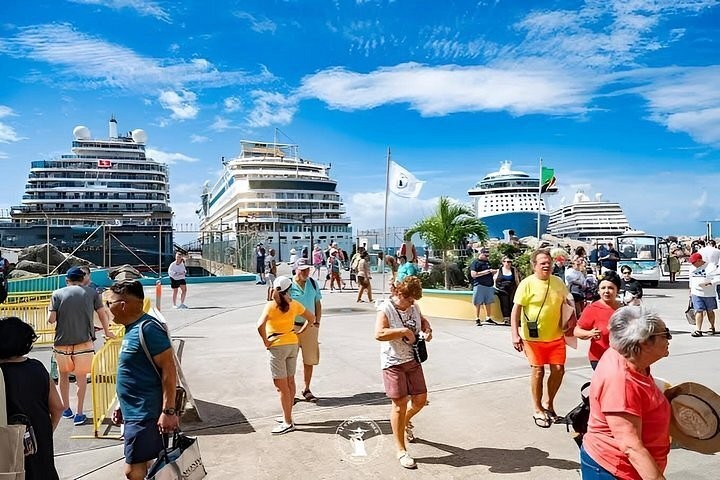
From a port of call to a home port
The prize the government is pursuing is homeporting, and the distinction is the whole point. A conventional cruise call brings a ship to port for a day, its passengers ashore for a few hours of shopping and tours before sailing on. A home port is where voyages begin and end.
Passengers arrive on the island, often by air, spend a night or more before or after their cruise, and board and disembark there. That model spreads spending across hotels, restaurants, taxis, and transport operators in a way a single day call cannot, which is why the government frames homeporting as a more valuable form of cruise tourism rather than simply a larger one.
The concrete commitment behind the visit was announced earlier in the year. As Cruise Hive reported in March 2026, P&O Cruises, a Carnival brand, will homeport its 184,000-gross-ton ship Iona in Basseterre beginning in November 2027, operating 7- and 14-night round-trip Caribbean voyages on a fly-and-cruise basis, with the vessel capable of carrying up to 5,200 passengers and 1,800 crew. Paul Ludlow, president of Carnival UK and P&O Cruises, said at the time that the company was delighted to be adding St. Kitts as an additional turnaround port for Iona.
Minister Henderson described the shift plainly, saying that by November 2027 the destination will move beyond a port of call to a transition port.
Building the capacity to match the ambition
Turning that commitment into reality depends on infrastructure, which is what this week's site visit was about. Authorities are developing a new cruise terminal at Port Zante designed to speed embarkation and disembarkation and to improve the link to Robert L. Bradshaw International Airport, the gateway through which fly-and-cruise passengers will arrive.
SCASPA and the Urban Development Corporation are leading the work, with a phased rollout planned ahead of the November 2027 start. The executives were also scheduled to meet local stakeholders about the practical requirements of homeporting and how Kittitian businesses can supply and serve the operation.
The numbers explain the appetite. St. Kitts recorded roughly 748,000 cruise passenger arrivals in the 2024 to 2025 season, and the destination has reported welcoming more than one million cruise passengers in 2026 so far, reaching toward pre-pandemic levels. Officials have suggested tourism could roughly double by 2027, though the scale of any single ship's impact depends on how frequently it sails and how it is deployed, details that follow from the commercial decisions still to be finalized.
The site visit also fits a season of intensive tourism diplomacy by the federation. Minister Henderson and her team have used international forums and meetings with cruise executives through 2026 to press St. Kitts's case as a cruise hub, and the island has reported welcoming more than one million cruise passengers this year, a return toward pre-pandemic strength. SCASPA, which runs the air and sea ports, sits at the center of that effort, since the homeporting model depends on the seamless handoff between Bradshaw International Airport and the Port Zante berths that its executives are now racing to ready.

The opportunity and the caution
Homeporting is a genuine opportunity for a small economy, and the government's logic is sound: capture the overnight stays, the pre-cruise and post-cruise spending, and the supply contracts that come with being a base rather than a stop. For St. Kitts and Nevis, which has leaned heavily on cruise volume, moving up the value chain to homeporting is a credible strategy to extract more from each visitor.
The caution is that the benefits are not automatic. They depend on the terminal being ready on schedule, on air connectivity that can move thousands of fly-and-cruise passengers smoothly through Bradshaw International, and on local businesses being positioned to capture the spending rather than watching it flow to the cruise line's own operations. The executives walking the Port Zante site this week were, in effect, checking whether the island can deliver what the plan promises.
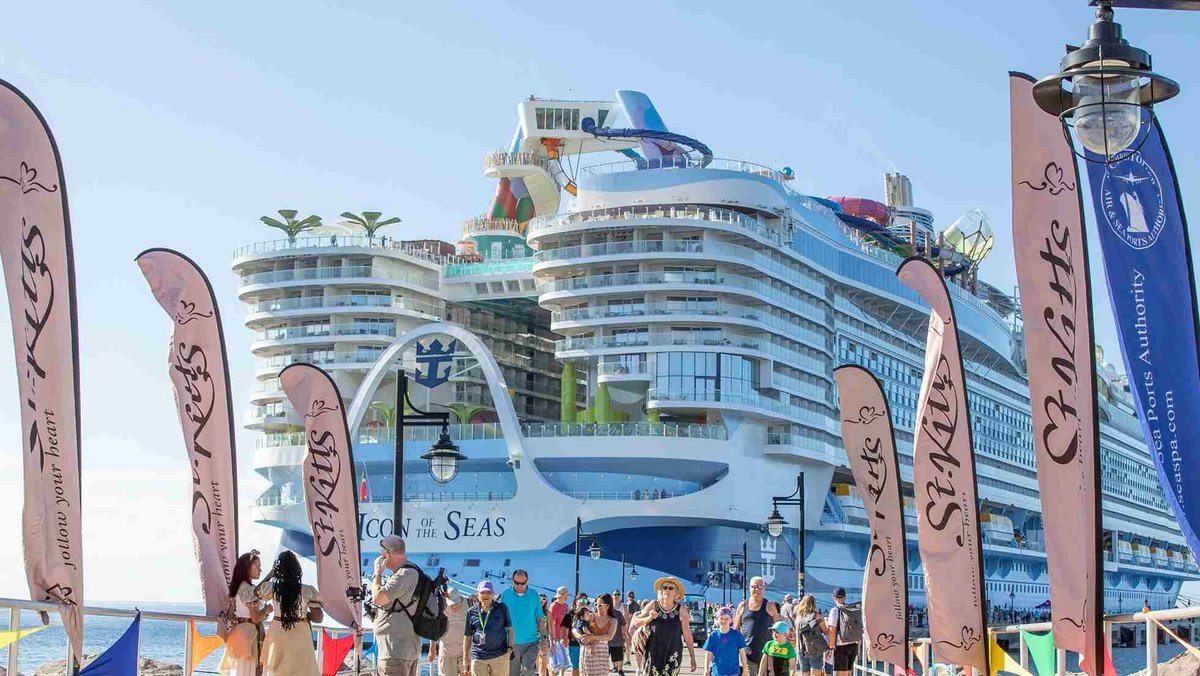
The commitment from Carnival is in place for November 2027. The work now is to make sure the federation is ready to meet it, and the government's task is to ensure that a bigger presence on the water translates into real gains on the ground.
Read more at The Caribbean Ledger ›