Island in Focus: The Bahamas Loses Patience With a Grid That Keeps Going Dark
As outages close schools on New Providence and the new grid company stays silent, the opposition accuses the Davis government of hiding the true state of the power system behind a 130 million dollar upgrade.
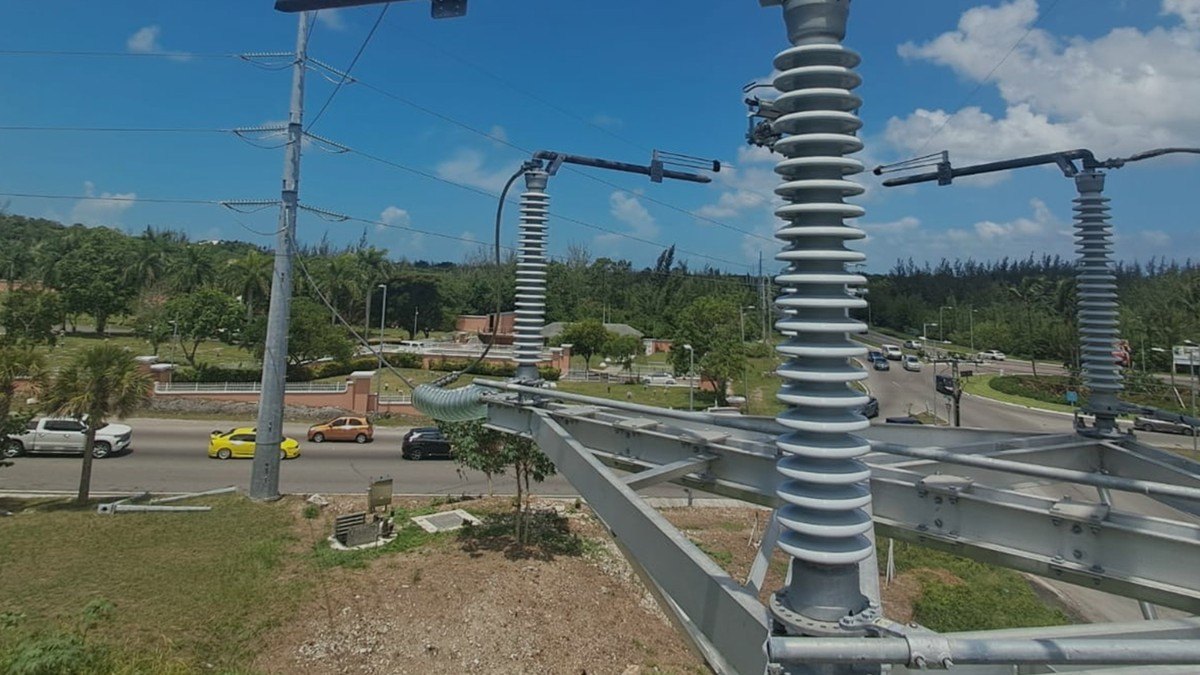
The question in Nassau this month is not whether the lights will go out. It is why no one in authority will say when they will stop. A fresh round of outages on New Providence has forced schools to send children home early and has drawn the sharpest political exchange of the autumn, with the opposition accusing the government of concealing the real condition of the island's power system.
The immediate trigger was a week of disruption reported by The Tribune on October 9. Eva Hilton Primary dismissed students early after plumbing problems tied to an area outage, and Sandilands Primary let out early after a power failure of its own. On Abaco, Bahamas Power and Light restored supply to Great Guana Cay after the Kent Smith area had gone about three days without electricity. For households and businesses, this is not a story about statistics. It is about freezers, medications and the simple predictability that a functioning grid is supposed to provide.
A new company, and a wall of silence
What has turned frustration into a political fight is the response, or the absence of one. The Bahamas Grid Company, the entity now overseeing a 130 million dollar upgrade of the transmission and distribution network, declined to explain the latest New Providence outages and said it had no comment, The Tribune reported. In a crisis, silence is itself a message, and the opposition has read it accordingly.
Free National Movement leader Michael Pintard accused Prime Minister Philip Davis's government of a pattern of evasion. The prime minister, Pintard said, has refused to be open, honest and transparent about the real problems the utility is experiencing, and the administration had, in his words, been dishonest from the time it came to office. The government has pointed to progress, having said in August that 95% of critical transmission and distribution upgrades were complete. The gap between that claim and the lived experience of a darkened classroom is the space the opposition now occupies.
The structure beneath the outages
The deeper issue is institutional. The Bahamas has spent years reorganizing how it keeps the lights on, separating generation, transmission and distribution and bringing in new management arrangements. The Bahamas Grid Company's role in the 130 million dollar network upgrade is central to that plan. But in April, Island Grid withdrew from its management arrangement with the company, a departure that raised questions about continuity at exactly the moment the system could least afford it. A reform designed to professionalize the grid has, for now, produced an entity that will not answer basic questions about why the power failed.
Why it matters beyond Nassau
Electricity reliability is not a side issue for a tourism economy. It is the precondition for one. Every hotel that runs a backup generator, every restaurant that loses a night's inventory, every small business that buys a UPS instead of hiring a worker is paying a tax that does not appear in any budget. The Bahamas is wealthier than most of its neighbors and carries a debt load, 12.4 billion dollars, that this newspaper examined earlier this month, which leaves it less room than its tourist numbers suggest. A grid that cannot be relied upon, run by a company that will not explain itself, is the kind of slow erosion that does not make international headlines and quietly raises the cost of everything.
The government's 130 million dollar upgrade may well deliver. The 95% completion figure may be accurate. But trust is built on disclosure, and on this evidence the Bahamas Grid Company has decided that the public does not need an explanation. The schools that closed early this week suggest otherwise. Until the company that runs the grid is willing to say why it keeps failing, the opposition's charge of evasion will keep finding an audience, because every outage makes the case for it.
Read more at The Caribbean Ledger ›