Anguilla rides an AI-era domain boom while shielding residents from power bills
The .ai domain that happens to belong to Anguilla is throwing off record revenue, and the government is using some of it to cushion electricity costs and to plan a sovereign wealth fund, even as it keeps a tourism winning streak going.
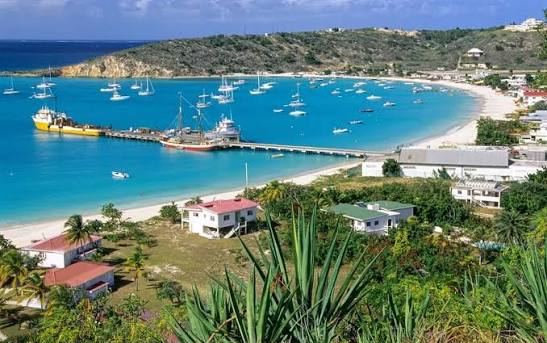
Anguilla is enjoying one of the strangest windfalls in the Caribbean, and learning how to spend it. The British overseas territory happens to hold the rights to the .ai internet domain, and the global rush into artificial intelligence has turned that two-letter suffix into a cash machine. Registrations of .ai domains generated 196.8 million Eastern Caribbean dollars in the first half of 2026 alone, within striking distance of the full prior-year total, according to the local outlet Anguilla Focus.
The government, led by Premier Cora Richardson-Hodge, who also holds the finance portfolio, is trying to convert a volatile revenue stream into lasting benefit. Plans for Anguilla's first sovereign wealth fund, to be financed mainly by .ai registrations, have moved into the law-drafting phase and are reported to be on track for a year-end launch, with the government outlining substantial capital spending over the coming years. The logic is sound and familiar to anyone who has watched a resource boom: a domain suffix that is fashionable today may not be tomorrow, and a fund that banks the proceeds is how a small place keeps a windfall from simply being consumed.

Some of the money is already going to immediate relief. The government has extended its suspension of import duty and customs fees on gasoline and diesel through the end of 2026, a measure meant to hold down the cost of fuel and, through it, the cost of electricity. The territory's power provider, ANGLEC, levies a fuel surcharge that had been capped for residents and businesses but has since climbed well above that level, and the government has said it is weighing more targeted future support. For households, the AI boom is not an abstraction. It is the reason the bill at the pump and the meter is lighter than it would otherwise be.
Tourism, the island's traditional mainstay, is meanwhile running hot. Anguilla's luxury beaches continue to draw accolades, with readers of Conde Nast Traveler rating Maundays Bay the second-best beach in the world in an October ranking, the kind of marketing no tourism budget can buy. The island set record stay-over arrivals in the first half of 2026, and regional connectivity is expanding, with Trans Anguilla Airways opening an office in St. Kitts to tie the territory more tightly into the eastern Caribbean's air network.
The island has also begun to take stock of itself in a more deliberate way, publishing what was described as its first modern report offering insight into the territory's workforce, the sort of data foundation a small economy needs if it is going to plan beyond the next tourist season. For a place whose fortunes now rest on two very different pillars, a globally fashionable domain and a globally desirable coastline, knowing who works on the island and in what is the beginning of planning for a future in which one pillar may wobble.
The risk in Anguilla's position is the obvious one. A windfall tied to a technology fashion is, by nature, uncertain, and the AI boom that made .ai valuable could cool. That is precisely why the move to bank the proceeds in a sovereign fund, rather than to fold them permanently into the recurrent budget, is the decision that matters most. Anguilla has been handed an unusual piece of luck. Whether it ends up as a lasting endowment or a remembered good year will depend on what the island builds while the money is still flowing.
Read more at The Caribbean Ledger ›