Antigua reshapes its capital as it takes the Caribbean tourism chair
A week that put an Antiguan at the head of the region's tourism body also saw the government move on a redevelopment of St. John's, a new arts center and a push to get idle farmland planted.
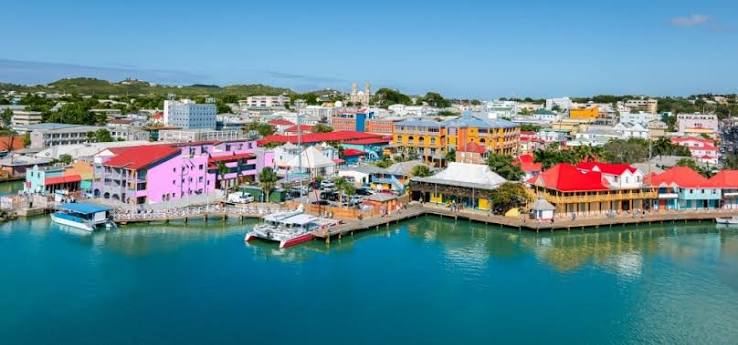
It was a busy week for Antigua and Barbuda on two fronts at once, the regional and the very local. On October 6, Charles Fernandez of Antigua and Barbuda was elected chairman of the Caribbean Tourism Organization, the body that coordinates tourism policy and marketing across the region, placing an Antiguan at the head of the industry that underwrites much of the Caribbean economy. The elevation gives the twin-island state a louder voice in regional tourism at a moment when every destination is competing for the same recovering travel market.
At home, the government moved on the shape of its capital. According to the local news service antigua.news, the Cabinet appointed three ministers to oversee a redevelopment of High Street, the main commercial artery of St. John's, signaling that the makeover of the capital's core is being treated as a priority with political weight behind it. The move follows the start, on October 2, of rehabilitation work on the St. John's waterfront boardwalk by the Port Authority, part of a broader effort to make the capital more attractive to the cruise passengers who pour through it.

Culture and food featured too. A new Performing Arts Centre is set to open on October 23, giving the country a dedicated venue for the kind of cultural programming that both serves residents and draws visitors. And the government announced a 102-acre land-clearing program that gives farmers 90 days to plant, an attempt to put idle agricultural land into production and to chip away at the food-import bill that weighs on every island in the region. Antigua and Barbuda imports a large share of what it eats, and a push to plant is a push to keep money on the island.
Taken together, the week sketches a government working on the unglamorous machinery of a tourism economy, the look of the capital, the venues, the food supply, while one of its own takes a regional seat that raises the country's profile. None of the individual pieces is enormous. The boardwalk, the arts center and the farmland program are the sort of steady, local work that rarely makes headlines beyond the island. But they are the work that determines whether a visitor's impression of St. John's is of a capital being cared for or one being left to fray.
Each strand also carries a note of caution worth recording. Much of the week's domestic detail comes through a local news aggregator rather than from primary government statements, so the specifics of the ministerial appointments and the planting program will bear confirmation as they move from announcement to execution. The CTO chairmanship is the firmest of the week's developments, and arguably the most consequential for the country's standing in the region.
The appointment of Fernandez adds a regional dimension to the domestic effort. A country that is both redeveloping its own capital and chairing the region's tourism body has an opportunity to practice at home what it preaches abroad, and to be judged on both. The next months will show whether the High Street redevelopment and the arts center arrive on schedule, and whether the 90-day planting window produces crops or lapses quietly, as such deadlines sometimes do.
Read more at The Caribbean Ledger ›