The World Bank Pencils In a 1.1% Rebound for St. Lucia After a Year of Contraction
A modest recovery forecast confirms how little margin the island has, with the economy having shrunk in 2025 and the region as a whole projected to grow just 2.2%.
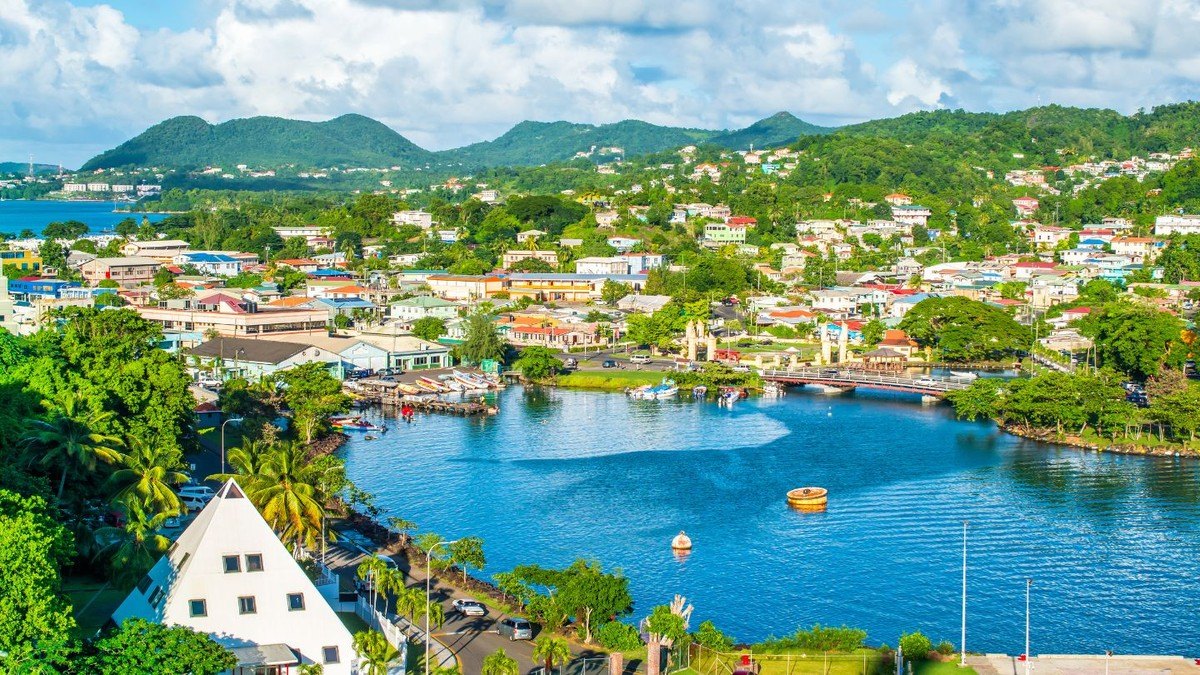
The World Bank expects St. Lucia's economy to grow 1.1% in 2026, a rebound that is real but slight, according to figures from the Bank's October Latin America and the Caribbean Economic Update reported by the St. Lucia Times on October 6. The number carries more weight than its size suggests, because the year it follows was a year of contraction.
The Bank estimates that St. Lucia's economy shrank by 0.6% in 2025, and it forecasts growth of 2.1% in 2027 and 1.9% in 2028. Set against regional growth the Bank puts at 2.2% for Latin America and the Caribbean, St. Lucia is projected to lag its neighbors this year before roughly matching the regional pace later in the decade. For an economy of St. Lucia's size and structure, heavily reliant on tourism and on the spending power of visitors whose own costs are rising, a 1.1% year is a thin cushion against anything that goes wrong.

The forecast arrives in the same week the International Monetary Fund, meeting in Bangkok, trimmed its own 2026 growth projection for the region to 2.3%, citing the energy shock from the war in the Middle East. The two institutions are describing the same landscape from slightly different vantage points, and the message to a small, open, fuel-importing economy is consistent. Growth will be positive but modest, and the external environment, from oil prices to global borrowing costs at multidecade highs, offers no tailwind.
What a 1.1% year means in practice is that there is very little room for the government to maneuver. Revenue grows slowly when the economy grows slowly, and a tourism-dependent island cannot simply manufacture demand when the cost of reaching it rises with jet fuel. The contraction the Bank recorded for 2025 is the more telling figure, because it shows how quickly a small economy can move into reverse when the conditions turn. A single soft season, a storm, or a further leg up in energy prices can turn a 1.1% forecast into something worse.
This is the structural reality the Caribbean's finance ministers are pressing on the development banks and the Fund, and St. Lucia is a textbook case for the argument. An economy that contracts 0.6% one year and recovers 1.1% the next is not failing. It is simply small, exposed, and operating without the buffers that larger and more diversified economies take for granted. The Bank's own numbers make the case that vulnerability, not mismanagement, is what keeps growth capped.
For St. Lucians, the forecast will land less as a statistic than as a lived constraint. Slow growth means slow job creation, cautious public budgets, and a government watching the same external risks the World Bank and the IMF have spent the week cataloging. The 1.1% rebound is welcome after a year of contraction. It is also a reminder of how narrow the island's economic room really is, and of why the region keeps asking for a financial architecture that accounts for that narrowness rather than penalizing it.
Read more at The Caribbean Ledger ›