Turks and Caicos balances a safety turnaround against a tourism warning
A standing read on the territory's central tension: the islands reported a sharp fall in violent crime early this year, even as a US travel advisory warns visitors about strict firearms laws and other risks.
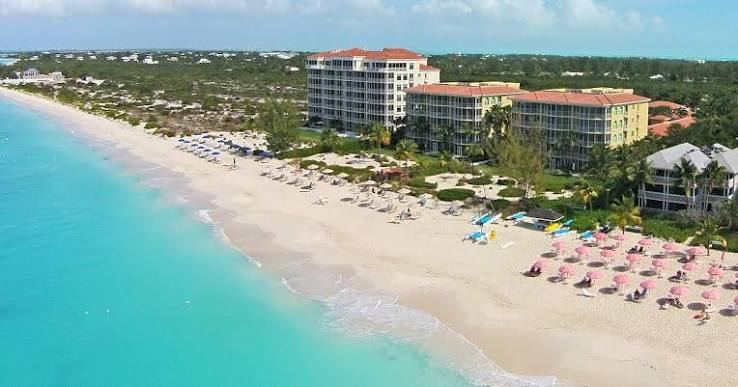
For the Turks and Caicos Islands, a British overseas territory whose economy rests almost entirely on high-end tourism, nothing matters more than how safe the place is, and how safe outsiders believe it to be. Those are two different questions, and this year they have pointed in two different directions. With no single breaking development to report, it is worth setting the territory's central tension out plainly, because it is the issue that sits under everything else in its public life.
The good news came from the government early in the year. In a statement dated February 10, 2026, the territory's press office reported a sharp fall in violent crime: murders down 43.5%, with January 2026 recording no murders at all, the first murder-free January since 2019. Attempted murders fell 25%, reported rapes 22%, and firearm discharges 29%, according to the same figures, which credited the Royal Turks and Caicos Islands Police Force and cited the seizure of 22 illegal firearms and more than 500 rounds of ammunition. For a territory that had seen gun violence climb in recent years, a murder-free month was a genuine turning point, and the government presented it as one.

The warning came from abroad. The United States, whose citizens make up the bulk of the territory's visitors, maintains a Level 2 travel advisory for the Turks and Caicos, urging travelers to exercise increased caution. As summarized in July 2026 coverage of the advisory, it highlights the territory's strict firearms and ammunition laws, under which American travelers have been detained for carrying stray rounds, along with reports of sexual assaults and petty crime concentrated in Providenciales, the main tourist island. A Level 2 rating is not a red alert, but for a destination that competes on the promise of carefree luxury, any official caution from its largest source market is a line item in the national interest.
The two messages are not contradictory so much as aimed at different audiences. The crime statistics speak to residents, who want to feel safe in their own communities and who judge a government on whether the streets are calmer than last year. The travel advisory speaks to visitors, who weigh a beach holiday against a headline, and who are far more likely to be caught out by an ammunition law they did not know than by anything resembling the violence the crime figures track. Managing both means both policing the islands and managing the story told about them.
That dual task is the quiet work of governing a place like the Turks and Caicos. The firearms rules that trip up unwary American visitors are themselves part of the strict regime that helped drive the gun-violence numbers down, which means the very policy that improves the resident safety story complicates the visitor one. A territory this dependent on a single industry and a single source market cannot afford to get either half wrong.
The direction early in 2026 was encouraging on the ground and cautionary at the border, and the territory's challenge for the rest of the year is to keep the first trend going while softening the second, by making sure visitors understand the rules before they arrive rather than after. On an island chain that sells safety and ease as its product, the gap between being safe and being seen as safe is not a public-relations footnote. It is the business.
Read more at The Caribbean Ledger ›