Bryan Vetoes a Plan to Shift Fuel-Tax Money to Hospitals, Signs 15 Other Bills
The governor says the hospital electricity credits would have covered less than half the need while weakening the revenue that props up the power utility.
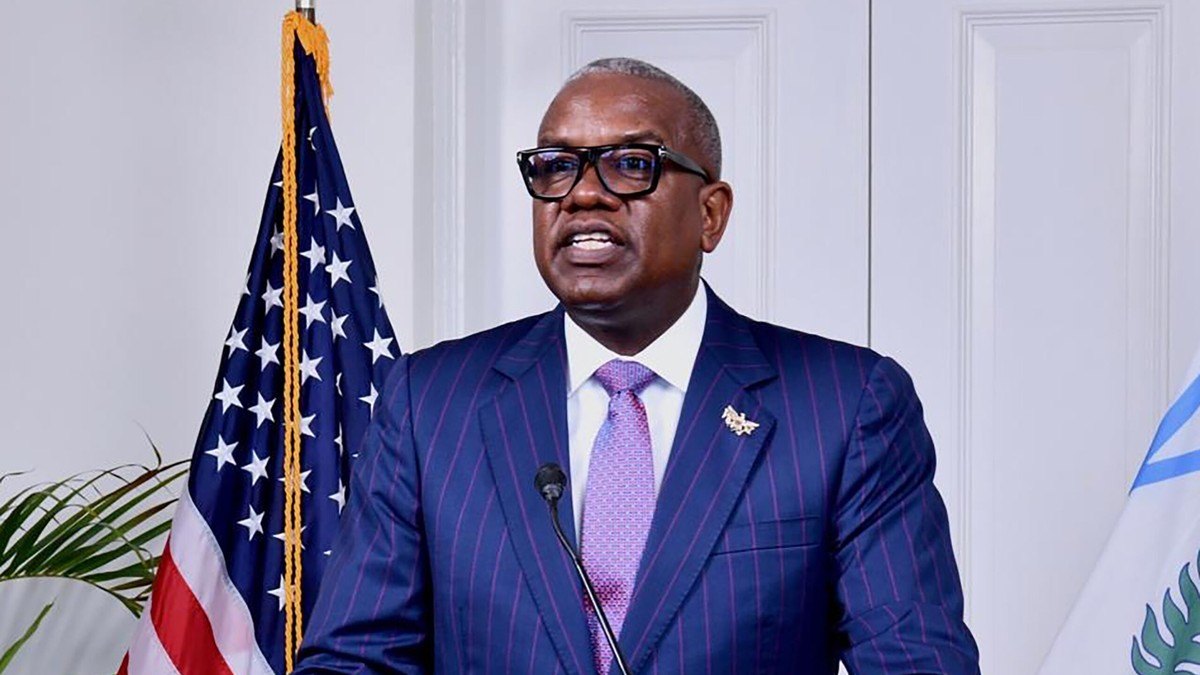
Governor Albert Bryan Jr. has vetoed a bill that would have redirected part of the fuel-tax revenue supporting the United States Virgin Islands power utility toward crediting the electricity costs of the territory's hospitals, while approving 15 of the 16 measures the Legislature passed in its September 25 session, according to the VI Consortium, in reporting by Ernice Gilbert on October 8.
The vetoed measure, Bill No. 36-0391, was well intentioned and, in the governor's telling, unworkable. Bryan argued that at current collection levels the credits would cover less than half of the hospitals' reported annual energy expenses, and that the territory cannot, in his words, solve one financial challenge by creating another. The logic is a familiar one in the Virgin Islands. The fuel tax that would have been diverted helps underwrite the Water and Power Authority, itself chronically strained, so relieving the hospitals would have deepened the hole beneath the utility. In a system where every public entity leans on the same thin revenue, moving money from one to another rarely creates value. It relocates the shortfall.

The 15 bills Bryan signed give a sense of a government triaging many needs at once. He approved Bill 36-0393, reprogramming 2.5 million dollars in fiscal 2026 funds for behavioral health services, a measure sponsored by Senator Kurt Vialet. He signed Bill 36-0394, directing 1.8 million dollars to repairs at the St. Thomas abattoir, and Bill 36-0352, allocating 500,000 dollars for road work on St. John. Each is modest. Together they describe a territory patching infrastructure and services a piece at a time, within means that never quite stretch to the full list.
The hospital question will not go away because it was vetoed. The territory's broader fiscal 2027 package includes 66.5 million dollars in General Fund support for the Virgin Islands Hospital and Health Facilities Corporation, the body that runs the public hospitals, which underscores how large a claim health care already makes on the budget. Bryan addressed his veto letter to Senate President Milton Potter, and the Legislature now has to decide whether to attempt an override, revise the mechanism, or find the money elsewhere.
Underneath the specifics sits the same energy problem that is squeezing the entire Caribbean this month. Hospitals in the Virgin Islands face crushing electricity bills because power in the territory is expensive, and power is expensive in part because the utility burns imported fuel whose price has climbed with a war in its eighth month. The senators who passed Bill 36-0391 were trying to shield an essential service from that cost. The governor's objection was not that the goal was wrong but that the method would have spread the pain rather than reduced it.
That is the honest shape of the Virgin Islands budget debate. There is no painless place to move the money from, because every dollar is already committed to something that cannot easily do without it. Bryan's veto keeps the fuel-tax revenue where it is. It does not answer the question the hospitals raised, which is how a small territory pays for reliable power in a year when reliable power costs more than it ever has.
Read more at The Caribbean Ledger ›